

Hydraulic Drawing Press: The Backbone of Sheet Metal Manufacturing
In the world of sheet metal manufacturing, the hydraulic drawing press stands as a cornerstone technology, enabling the precise and efficient shaping of metal into complex forms. This versatile machine leverages the immense power of hydraulics to apply uniform pressure across the workpiece, gradually stretching and forming it into the desired shape. In this comprehensive article, we will delve into the intricacies of the hydraulic drawing press, exploring its design, operating principles, advantages, applications, and future trends.
I. Introduction to Hydraulic Drawing Presses
The hydraulic drawing press is a specialized machine designed specifically for the deep drawing process, which involves stretching a sheet of metal into a cup or other hollow shape using a punch and die set. This process requires precise control over the application of force and material flow to ensure the part is formed correctly without tearing or wrinkling. The hydraulic drawing press achieves this through the use of hydraulic cylinders that apply even pressure to the punch, allowing for smooth and consistent material deformation.
II. Key Components and Operating Principles
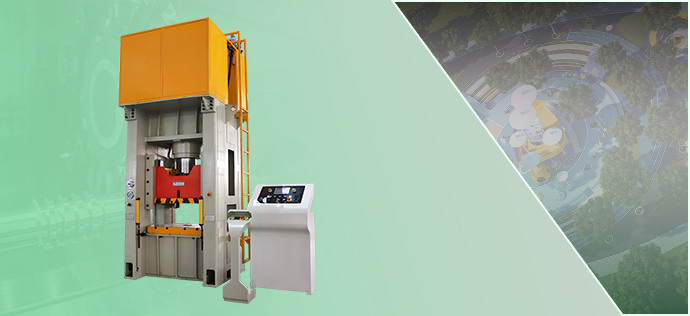
A hydraulic drawing press consists of several essential components that work together to achieve the deep drawing process:
Hydraulic System
The hydraulic system is the heart of the press, providing the power necessary to move the punch and hold the workpiece in place. It consists of a hydraulic pump, reservoir, valves, and cylinders. The pump generates high-pressure hydraulic fluid, which is then directed through the valves to the cylinders. The cylinders, in turn, convert the hydraulic pressure into mechanical force, driving the punch down into the die.
Frame and Bed
The frame provides the structural support for the entire press, ensuring stability and rigidity during operation. The bed, or table, supports the die set and workpiece, allowing for precise alignment and positioning.
Punch and Die Set
The punch and die set are the tooling components that directly interact with the workpiece. The punch, a cylindrical tool with a shaped end, descends into the die cavity, forcing the metal sheet into the desired shape. The die, which is mounted in the bed, has a corresponding cavity that receives the punch and guides the metal as it is formed.
Control System
The control system monitors and regulates the operation of the press, adjusting the hydraulic pressure, speed, and stroke length as needed. Modern control systems often incorporate PLCs, HMI touchscreens, and sensors for real-time monitoring and feedback.

III. Advantages of Hydraulic Drawing Presses
Hydraulic drawing presses offer numerous advantages over other sheet metal forming methods:
Uniform Pressure Distribution
The hydraulic cylinders apply even pressure across the punch, ensuring that the metal sheet is stretched uniformly during the deep drawing process. This prevents wrinkling, tearing, or other defects that can occur with uneven force distribution.
High Forming Forces
Hydraulic presses are capable of generating high forming forces, making them ideal for deep drawing operations that require significant deformation of the metal sheet.
Versatility
Hydraulic drawing presses can accommodate a wide range of punch and die sets, enabling manufacturers to produce a variety of parts with different shapes and sizes.
Precision and Repeatability
The precision and repeatability of hydraulic drawing presses ensure that parts are formed consistently and to tight tolerances. This is crucial for maintaining quality and reducing scrap rates.
IV. Applications of Hydraulic Drawing Presses
Hydraulic drawing presses find widespread use in various industries, including automotive, aerospace, appliance manufacturing, and packaging:
Automotive Industry
The automotive industry relies heavily on hydraulic drawing presses to produce components such as fuel tanks, body panels, and hoods. These parts require precise shaping and dimensional accuracy to ensure proper fit and function within the vehicle.
Aerospace Industry
The aerospace industry demands stringent quality standards for its components. Hydraulic drawing presses are used to produce lightweight, high-strength parts such as fuel tanks, air ducts, and engine components.
Appliance Manufacturing
Manufacturers of household appliances, such as refrigerators, washing machines, and dryers, use hydraulic drawing presses to produce components like doors, lids, and side panels. These parts must be formed accurately and consistently to meet consumer expectations.
Packaging Industry
The packaging industry utilizes hydraulic drawing presses to produce metal cans, buckets, and other containers. The precision and repeatability of the press ensure that the containers are formed to the correct dimensions and specifications.
V. Challenges and Innovations in Hydraulic Drawing Press Technology
Despite their many advantages, hydraulic drawing presses face several challenges that prompt ongoing research and innovation:
Material Limitations
Certain metals, such as those with high strength-to-weight ratios or those prone to work hardening, can be difficult to form using the deep drawing process. Researchers are continually exploring new alloys and materials that can be more easily formed using hydraulic drawing presses.
Energy Efficiency
As energy costs continue to rise, manufacturers are seeking ways to improve the energy efficiency of hydraulic drawing presses. Advances in hydraulic system design and control algorithms can help reduce energy consumption and operating costs.
Automation and Integration
The integration of hydraulic drawing presses into automated production lines and smart factories is becoming increasingly important. Advanced control systems, robotics, and IoT technologies are enabling tighter process control, reduced lead times, and improved traceability.
Sustainability
Environmental concerns are driving the development of more sustainable hydraulic drawing processes. This includes the use of recycled materials, reduced waste generation, and energy-efficient operation.
VI. Future Prospects
The future of hydraulic drawing presses looks bright, with ongoing advancements in technology and applications. As manufacturers continue to push the boundaries of precision and efficiency, we can expect to see further innovations in material science, hydraulic system design, and automation technologies. Additionally, the increasing focus on sustainability will drive the development of environmentally friendly hydraulic drawing processes that minimize waste and energy consumption.
Conclusion
The hydraulic drawing press is a vital technology in the sheet metal manufacturing industry, enabling the precise and efficient shaping of metal into complex forms. Its advantages, including uniform pressure distribution, high forming forces, versatility, and precision, make it an indispensable tool for manufacturers across various industries. As the technology continues to evolve, we can expect to see even greater advancements in material science, hydraulic system design, and automation, enabling the production of even more sophisticated and high-performance parts for years to come.
form
NAME:*
TEL:*
E-MAIL:*
NOTES:
Verification code